

747live offers comprehensive insights for enthusiasts aiming to master Big Wave Fishing. This guide delves into essential techniques, equipment, risk management, and legal considerations, providing both beginners and seasoned anglers with practical strategies for a safe and enjoyable experience.
Understanding Big Wave Fishing
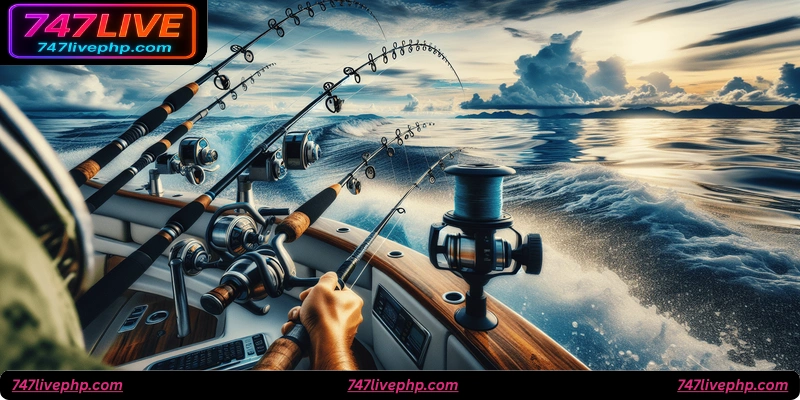
Big Wave Fishing refers to angling in high sea conditions where waves exceed moderate levels, requiring specialized equipment and techniques. Success in this environment depends on understanding wave patterns, weather forecasts, and fish behavior. Key skills include boat handling, accurate casting, and maintaining safety protocols to prevent accidents.
Essential Equipment for Big Wave Fishing
Fishing in large waves demands high-quality gear to ensure both effectiveness and safety. Recommended equipment includes:
- Heavy-duty rods and reels with strong drag systems
- High-visibility lures and weighted lines for rough water
- Non-slip footwear and safety harnesses
- Weatherproof clothing and personal flotation devices
- Communication devices for emergencies
Techniques for Success
Effective Big Wave Fishing relies on a combination of precision, timing, and adaptability. Anglers should:

- Observe wave patterns before casting
- Use heavier tackle to prevent loss in rough conditions
- Adjust bait and lure movement to match turbulent waters
- Practice safe boarding and disembarking techniques
Safety and Risk Management
Safety is paramount in Big Wave Fishing. Key risk management strategies include:

- Checking weather and tide reports before heading out
- Using life jackets and safety harnesses at all times
- Ensuring all crew members are trained in emergency procedures
- Keeping first aid kits and emergency signaling devices onboard
Legal and Responsible Play Considerations
Anglers must adhere to local maritime laws and fishing regulations. Responsible play includes:
- Following catch limits and protected species guidelines
- Respecting environmental protection zones
- Maintaining vessel licensing and permits
- Reporting any accidents or violations promptly
Comparing Fishing Gear for Big Waves
| Gear Type | Durability | Weight | Best Use |
|---|---|---|---|
| Heavy-duty Rod | High | Medium | Rough sea casting |
| Spinning Reel | High | Medium | Strong drag for large fish |
| Weighted Lures | Medium | Heavy | Wave-resistant baiting |
| Safety Harness | High | Light | Prevents falls |
Environmental Awareness
Big wave fishing can impact marine ecosystems. Anglers should:
- Avoid disturbing breeding grounds
- Properly dispose of fishing lines and hooks
- Minimize fuel and oil spills
- Use eco-friendly tackle and bait whenever possible
FAQ
- Q: What qualifies as a “big wave” for fishing?
A: Generally, waves exceeding 3 meters are considered large, requiring advanced skills and equipment. - Q: Can beginners practice big wave fishing safely?
A: Only under supervision and using proper safety gear and smaller waves to gain experience. - Q: What type of fish are commonly targeted in big waves?
A: Tuna, mackerel, and marlin are frequent targets due to their active movement in turbulent waters. - Q: How important is weather forecasting?
A: Crucial; sudden storms can be life-threatening. Always check updated marine forecasts. - Q: Are there legal restrictions?
A: Yes, local maritime authorities enforce catch limits, licensing, and protected areas. - Q: What safety measures are non-negotiable?
A: Life jackets, harnesses, emergency signals, and first aid kits are mandatory for safe outings. - Q: How to choose the right rod and reel?
A: Opt for heavy-duty rods and reels with high drag, suitable for turbulent sea conditions and large species. - Q: Is eco-friendly fishing important in big wave conditions?
A: Absolutely. Avoid harming ecosystems, and always retrieve lost tackle and bait. - Q: Can fishing in big waves be profitable?
A: This guide emphasizes safety and experience over profit; unpredictable conditions make risk high. - Q: How should a team prepare for emergencies?
A: Crew should be trained in rescue procedures, communication, and first aid before heading out.
Planning Your Big Wave Fishing Trip
Successful trips require careful preparation:
- Check tide and wave schedules
- Inspect all equipment before departure
- Inform authorities of departure times
- Ensure all safety measures are in place
Conclusion
Big Wave Fishing combines skill, preparation, and respect for marine environments. By investing in quality gear, understanding wave behavior, and adhering to legal and safety standards, anglers can enjoy a thrilling yet responsible fishing experience. Remember to prioritize safety, respect local laws, and embrace risk management to ensure every trip is both exciting and secure.




